
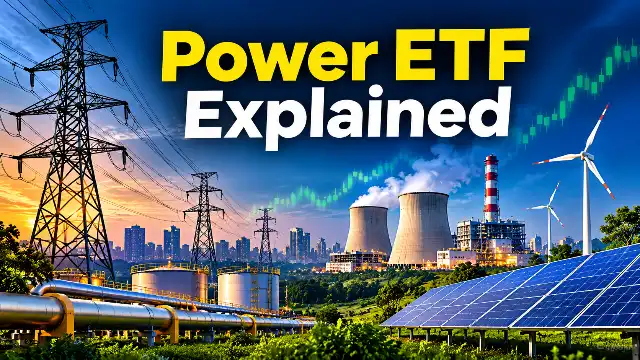
India’s electricity demand is rising as industrial activity expands, urbanisation accelerates and households consume more power. The shift towards electric vehicles, renewable energy, data centres and digital infrastructure is adding another layer of demand. At the same time, the country is investing in power generation, transmission, distribution and energy storage. This creates opportunities across the electricity value chain, making the power sector an interesting area for long-term investors.
A Power ETF offers a way to participate in this theme without selecting individual electricity companies. Instead of investing in one power producer or equipment manufacturer, investors gain exposure to a basket of companies linked to India’s power industry. However, sector-focused investing comes with concentration risks that investors should understand before committing money.
In simple words
A Power ETF is an exchange-traded fund that invests in companies connected to the electricity industry. Its performance depends on the underlying power-sector index and the shares included in it. Investors can buy and sell ETF units through a demat and trading account, just like listed shares.
What Is a Power ETF and How Does It Work?
A Power ETF is a passive investment product designed to track an index representing companies operating in the power or broader energy industry. The fund purchases shares of companies included in its benchmark and attempts to replicate their respective index weightages.
In India, investors should understand the difference between a pure power-sector fund and a broader energy ETF. For example, ETFs tracking the Nifty Energy index cover 40 companies across petroleum, gas and power. Consequently, their returns are influenced by oil and gas businesses as well as electricity companies.
When an investor purchases an ETF unit, the investment is spread across the underlying portfolio. The fund manager does not actively select stocks based on market predictions. Instead, the portfolio follows the index methodology, including periodic changes in constituents and weightages.
Which Companies Do Power ETFs Hold?
The portfolio depends on the benchmark tracked by the ETF. A broader energy index can include companies from several parts of the electricity and energy ecosystem.
Also Read: Liquid ETF Explained: How Liquid ETFs Work in India, Returns, Risks and Who Should Buy Them
| Business segment | Representative companies |
|---|---|
| Power generation | NTPC, Adani Power, Tata Power |
| Renewable energy | NHPC, NTPC Green Energy, Adani Green Energy |
| Transmission | Power Grid Corporation |
| Electrical equipment | BHEL, CG Power, Siemens Energy India |
| Oil and gas | ONGC, GAIL, Oil India |
| Energy infrastructure | Adani Energy Solutions, Suzlon Energy |
These companies have different business models. Power producers earn revenue from electricity generation and sales, while transmission companies operate networks that transport electricity. Equipment manufacturers benefit from investments in transformers, turbines, switchgear and grid infrastructure.
An important consideration is that a broader energy ETF may have significant exposure to traditional energy businesses. Investors looking specifically for renewable electricity or power generation should examine the benchmark and portfolio rather than relying on the ETF’s name.
Holdings and weightages also change as the underlying index is rebalanced.
What Drives Power ETF Returns?
The long-term performance of a Power ETF depends on the financial performance and market valuations of its underlying companies. Several factors influence this performance.

Also Read: Liquid ETF Explained: How Liquid ETFs Work in India, Returns, Risks and Who Should Buy Them
1. Rising electricity demand: Industrial expansion, urbanisation, electric vehicles and data centres can increase electricity consumption. Higher demand can encourage investments in generation and transmission capacity.
2. Government infrastructure spending: Investments in electricity networks, renewable energy projects, grid modernisation and rural electrification can create business opportunities for power companies.
3. Renewable energy expansion: Solar, wind and other clean-energy projects are creating opportunities for developers, equipment manufacturers and transmission businesses. However, project execution and financing remain important considerations.
4. Fuel costs and profitability: Coal prices, natural gas costs and electricity tariffs influence generation economics. Companies may face margin pressure when fuel costs rise faster than selling prices.
5. Interest rates: Power projects require substantial capital. Higher borrowing costs can affect expansion plans, debt servicing and profitability, particularly for companies with significant leverage.
Benefits of Investing in a Power ETF
A Power ETF offers several advantages over buying individual power stocks.
- Diversification: Investors gain exposure to multiple companies instead of depending on one business.
- Convenience: One ETF transaction provides access to a basket of listed companies.
- Transparency: Holdings and portfolio weightages are disclosed periodically.
- Lower active management costs: Passive funds generally avoid the research and trading costs associated with actively managed portfolios.
- Long-term sector participation: Investors can participate in the development of India’s electricity and energy infrastructure.
ETFs also offer flexibility because units can be bought or sold during market hours through a stock exchange.
Risks Investors Should Understand
Power ETFs are sector-focused investments, not substitutes for diversified equity funds. Their returns can fluctuate significantly.
Also Read: Railway and Capital Goods ETF Explained: How It Works, Holdings, Risks and Who Should Buy It
Sector concentration: Even with multiple holdings, the portfolio remains exposed to one broad economic theme. A slowdown in energy investment can affect several constituents simultaneously.
Regulatory uncertainty: Electricity tariffs, government policies, environmental regulations and project approvals can influence company profitability.
Debt and execution risks: Large power projects require significant investment. Delays, cost overruns and financing difficulties can affect earnings.
Commodity exposure: Broader energy ETFs may be influenced by crude oil, natural gas and coal prices, making them different from pure electricity investments.
Market valuation risk: Strong industry growth does not automatically translate into attractive stock returns. Investors can lose money if they buy at excessive valuations.
Tracking and liquidity risk: An ETF may not perfectly match its benchmark because of expenses and tracking differences. Low trading volumes or wide bid-ask spreads can also increase transaction costs.
How to Choose a Power ETF in India
Before investing, compare the following factors:
| Factor | What to examine |
|---|---|
| Benchmark | Understand whether it tracks power or broader energy companies |
| Expense ratio | Lower recurring costs can benefit long-term investors |
| Tracking difference | Check how closely returns match the benchmark |
| AUM | Consider the fund’s overall size and stability |
| Trading liquidity | Examine exchange volumes and bid-ask spreads |
| Holdings | Check company concentration and business exposure |
Investors should also compare the ETF’s market price with its indicative net asset value (iNAV). Avoid placing market orders when liquidity is thin.
Also Read: Bharat 22 ETF Explained: How It Works, Holdings, Risks and Who Should Buy It
Who Should Buy Power ETFs?
Power ETFs may suit investors who have a positive long-term outlook on India’s electricity and energy infrastructure and want targeted exposure without researching individual companies.
They can be considered by investors with a diversified core portfolio, a long investment horizon and the ability to tolerate sector-specific volatility. A staggered investment approach can help reduce the risk of committing the entire amount at an unfavourable market level.
However, conservative investors, short-term traders seeking predictable returns and beginners without a diversified equity portfolio should be cautious. A broad-market index fund is generally a more suitable starting point for building core equity exposure.
Key Takeaways
- Power ETFs provide exposure to a basket of electricity and energy-related companies.
- Some Indian energy ETFs track broader benchmarks covering petroleum, gas and power.
- Electricity demand, infrastructure investment and renewable energy expansion can support the industry’s long-term prospects.
- Regulatory changes, debt, commodity prices and valuation risks can affect returns.
- Compare benchmarks, expense ratios, tracking differences, liquidity and holdings before investing.
- Treat sector ETFs as a complementary allocation rather than the foundation of an equity portfolio.
Financial Disclaimer: This article is for educational purposes only and should not be considered investment advice. Power ETFs are subject to market risks, including the possibility of capital loss. Investors should evaluate their financial goals, risk tolerance and investment horizon before investing.
Also Read: CPSE ETF Explained: How India’s PSU Enterprise ETF Works, Holdings, Risks and Who Should Buy It



Keep learning with OneTrader
Explore structured lessons and practical guides to build your market knowledge.

Need a laugh after all that money talk?
Paisa LOL: India's funniest finance page, with memes, comics, jokes and long funny stories.
