
💼 “I Quit My Job to Trade…” – The Story of Ramesh and a Lesson for Every Dreamer
“One big trade… and I’ll never have to work again.”
That’s what Ramesh told himself the day he decided to quit his stable IT job and become a full-time trader.
It sounded bold. It sounded brave. But in reality… it was a mistake millions of people make every year.

📖 The Story of Ramesh:
Ramesh, 31, was a software engineer from Hyderabad. Like most salaried employees, he was tired of corporate life — long hours, weekend calls, and that feeling that his dreams were always just out of reach.
One day, while scrolling YouTube, he saw a trader showing screenshots of ₹5 lakh profits from options trading.
“That’s more than my monthly salary,” he thought.
“If he can do it, why can’t I?”
Also Read: How to Eliminate Emotional Decisions in the Stock Market
And so, Ramesh started trading part-time. At first, it was magical.
- In his first month, he made ₹18,000.
- In his second month, ₹32,000.
- By the third month, ₹52,000 — more than his salary.
It felt easy. Too easy.
That’s when he made the decision that would change everything:
👉 He quit his job.
⚠️ Early Wins Are the Most Dangerous:
For the next few weeks, Ramesh felt like a genius. Every trade worked. Every dip was bought. Every expiry was green.
Also Read: Dhirubhai Ambani – The Man Who Dreamed Bigger Than His Circumstances
But something had changed — he was no longer trading with “extra income.” Now he was trading with rent money, EMI money, and survival money.
Pressure crept in.
And pressure changes everything.
- He increased his position size.
- He started averaging losses.
- He traded every day — even when there was no setup.

The result?
Within 4 months, he blew up 70% of his trading capital.
He borrowed money to “recover.”
He lost that too.
Also Read: How to Develop a Winning Trading Mindset
📉 The Harsh Truth of F&O Trading:
Ramesh’s story isn’t rare — it’s the reality for 93% of F&O traders in India, according to SEBI data.
- They don’t lose because they’re stupid.
- They lose because they treat trading like a salary replacement before mastering it.
- They lose because early profits give them false confidence.
👉 Winning ₹30,000 with ₹1 lakh is not the same as earning ₹30,000 every month, consistently, for 3 years.
🧠 The Psychology Trap: Job vs Trading
Your job gives you structure — salary, stability, routine, and mental peace.
Your trading account gives you volatility — profits one day, losses the next, and emotions all over the place.
When you remove the safety net of a job too early, trading stops being a skill game and becomes a survival game — and most people don’t survive that pressure.
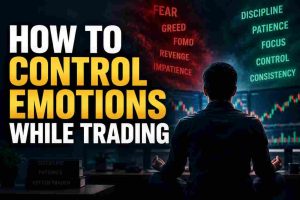
Also Read: How to Control Emotions While Trading
Ramesh didn’t either. He went back to a job after losing ₹8.4 lakh — and 18 months of his life.
💡 The Real Lesson – Don’t Quit Too Early:
If Ramesh could go back in time, here’s what he’d do differently:
- Build Consistency First: Trade profitably for 12–18 months while working before even thinking about quitting.
- Create a Safety Net: Save 12–18 months of expenses before going full-time.
- Treat Trading Like a Business: Study risk, psychology, journaling, and edge — not just strategies.
- Scale Slowly: Increase size only after proving your system in real conditions.
- Keep a Secondary Income: Don’t let trading be your only breadwinner initially.
🏆 The New Ramesh:
Two years later, Ramesh returned to trading — but this time, he was different.
- He traded part-time alongside his job.
- He focused on one setup.
- He treated profits as bonus income, not salary.
Today, he’s consistently profitable. He’s still in his job — but he’s also building wealth. And now, he knows that freedom doesn’t come from quitting. It comes from mastering.
Also Read: Why Most Traders Lose Money in the Stock Market

📌 Final Thought:
💡 “Trading is not a shortcut to escape your job. It’s a skill that, once mastered, can give you freedom. But only if you respect it.”
Don’t let a few lucky trades trick you into burning your career.
Don’t trade to escape your job. Trade to escape financial dependence — and that takes time, patience, and discipline.
Also Read: Gambler’s Fallacy in Trading – Why Traders Think Markets Must Reverse