Estimated reading time: 6 minutes
Thank you for reading this post, Please bookmark onetrader.in website for regular updates!
Why Choose Price Action Over Indicators? (Complete Guide for Traders)
Introduction:
If you’ve just entered the world of trading, you’ve probably heard about dozens of indicators — RSI, MACD, Stochastic, Bollinger Bands, and more. They look attractive, colorful, and often seem like the “secret formula” to make money.
But here’s the hard truth that every professional trader eventually realizes:
👉 Indicators are just tools. Price is the source.
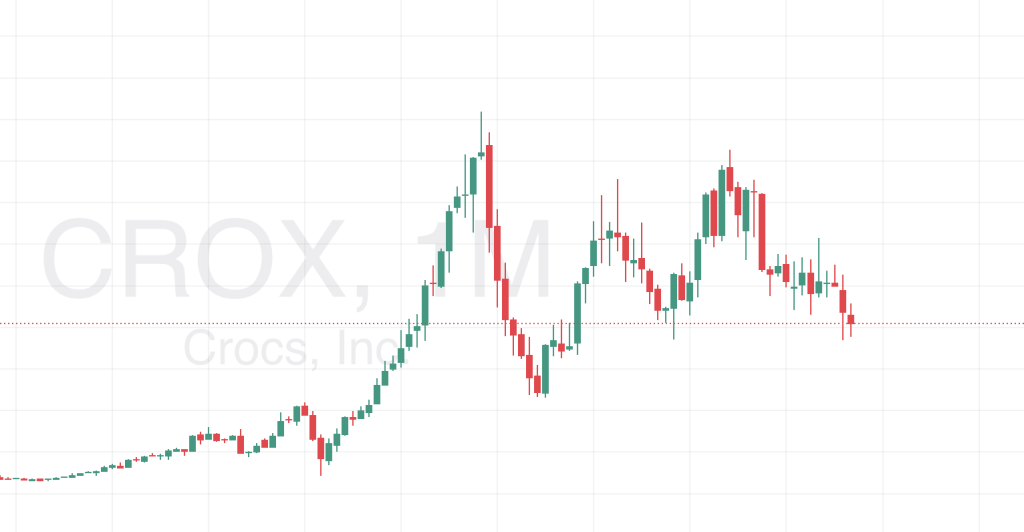
Price action — the pure movement of price on a chart — is the foundation on which all indicators are built. And that’s why most professional traders rely primarily on price action rather than a screen full of signals.
In this article, we’ll break down why price action is more powerful, more accurate, and more reliable than indicators — and how it gives traders a real edge.
1. Understanding the Core Difference:
Before we compare, let’s clearly define the two approaches:
- Price Action Trading: Making trading decisions by analyzing price movement, candlestick patterns, support & resistance, trendlines, and breakouts — without depending heavily on indicators.
- Indicator-Based Trading: Using mathematical calculations derived from past price data to generate buy/sell signals or overbought/oversold levels.
📌 Example:
- Price action tells you “Buyers are taking control near ₹1,500 support.”
- An indicator might say “RSI is below 30 (oversold).”
The first is context and logic. The second is calculation without context.
2. Indicators Are Built on Price — Not the Other Way Around:
Every indicator you see — RSI, MACD, Moving Averages — is a mathematical formula based on price. They are derivatives, not the original data.
👉 If price is the sun 🌞, indicators are the light reflected from a mirror. They show part of the truth, but not the whole picture.
- RSI = strength of price movement
- MACD = difference between two moving averages (price averages)
- Bollinger Bands = standard deviation around a moving average
So, instead of trading the reflection, why not trade the source itself?
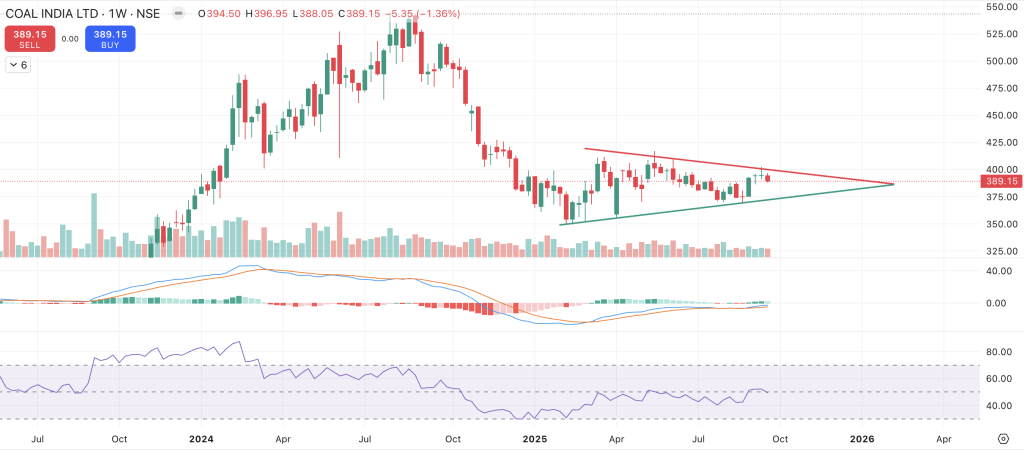
3. Price Action Shows Market Psychology:
Trading is not just numbers — it’s human behavior.
- Support and resistance show where buyers and sellers react.
- Candlestick patterns reveal emotions like fear, greed, hesitation.
- Breakouts show aggression.
- Pullbacks show patience.
Indicators can’t read human psychology — but price action does.
For example:
- A bullish engulfing candle at support shows strong buying interest.
- RSI oversold? It only tells you the price fell — not who’s winning the battle.
4. Price Action is Faster (No Lag):
One of the biggest drawbacks of indicators is lag.
- Moving averages lag because they average past data.
- MACD lags because it uses moving averages of moving averages.
By the time an indicator signals a buy, price may have already moved significantly.
Price action, on the other hand, is real-time. Candles form as buyers and sellers interact.
- You see reversals as they happen.
- You catch breakouts when they start, not after they’re over.
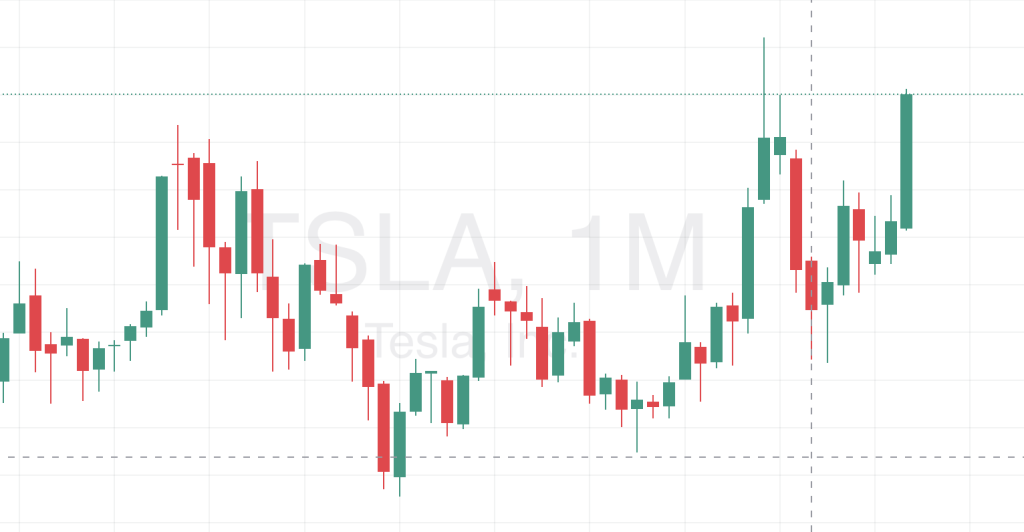
📌 Example:
- A breakout candle closes above resistance → price action gives a signal.
- Moving average crossover confirms the same trade — but 3% higher.
5. Price Action Works in All Markets and Timeframes:
Whether you’re trading:
- Stocks 📈
- Forex 💱
- Commodities 🛢️
- Crypto ₿
Price action principles remain the same. Support, resistance, breakouts, and trends exist everywhere.
Indicators, however, may behave differently in different markets or require adjustments.
6. Price Action Teaches You Market Structure:
Indicators give signals, but they don’t explain the “story” of the market. Price action shows:
- Where trend started
- Where buyers are trapped
- Where sellers are likely to step in
- Where liquidity exists
📊 Example:
- Price consolidates → builds energy.
- Breaks out → trend begins.
- Pulls back → retest.
With price action, you understand the why behind every move. Indicators only show the what.
7. Price Action Offers Flexibility:
Indicators have fixed formulas — they don’t adapt.
Price action is flexible — it adapts to volatility, trend changes, and sentiment shifts.
For example:
- During news events, indicator signals often fail due to sudden spikes.
- Price action traders watch reaction candles and adjust immediately.
8. How Pros Use Indicators (The Smart Way):
Professional traders don’t ignore indicators — they combine them with price action.
- Use support/resistance and candlestick confirmation for entry.
- Use indicators for confirmation (e.g., RSI divergence).
- Use moving averages as dynamic support/resistance.
👉 Price action is the engine. Indicators are just the dashboard.
9. Real-Life Example – Titan Breakout:
- Titan formed a strong resistance zone at ₹2,700.
- Price action showed multiple rejections → sellers active.
- A large bullish candle broke ₹2,700 with volume → price action signal.
- RSI crossed 60 one candle later → indicator confirmation.
Result: Early entry by price action traders, late entry by indicator traders.
10. Pros and Cons Comparison
| Feature | Price Action | Indicators |
|---|---|---|
| Basis | Real price movement | Mathematical formula |
| Speed | Real-time | Lagging |
| Flexibility | High | Low |
| Psychology Insight | High | Low |
| Universality | Works everywhere | Some need tuning |
| Ease for Beginners | Medium (needs learning) | Easy (but misleading) |
11. Tips for Transitioning from Indicators to Price Action:
- Start by removing all indicators from your chart for a week.
- Focus only on candlesticks, S/R, and trendlines.
- Practice identifying patterns and reading market structure.
- Gradually add 1 indicator only if it helps confirmation.
Conclusion
Indicators are useful tools, but they are not the foundation of trading — price is.
If you want to trade like professionals, learn to read charts directly. Price action gives you clarity, timing, and context — all essential for consistent profits.
👉 Remember: “Indicators follow price. Price never follows indicators.”
Choose price action as your primary approach, and you’ll understand the market in a way that most traders never do. That understanding is what leads to long-term wealth creation.
✅ FAQ Section (Visible for Blog)
1. What is the difference between price action and indicators?
Price action uses direct price movement, candlesticks, support and resistance, and trend structure to make trading decisions. Indicators are mathematical formulas derived from past prices that generate signals but often lag.
2. Why do professionals prefer price action trading?
Professionals prefer price action because it offers real-time insights, shows market psychology, and works across all markets and timeframes. It helps them anticipate moves rather than react late to indicator signals.
3. Are indicators useless in trading?
No, indicators are not useless. They are helpful when used alongside price action as confirmation tools. However, relying only on indicators without understanding price structure often leads to poor trades.
4. Can I use price action for intraday trading?
Yes. Price action is highly effective for intraday trading. By marking support/resistance, watching key candlestick patterns, and analyzing breakouts, traders can make precise short-term trades without needing many indicators.
5. How can a beginner switch from indicators to price action?
Start by removing indicators from your chart and practicing with clean price data. Study candlestick patterns, support/resistance, and trendlines. Slowly add one indicator only as a confirmation tool once you understand the price movement.