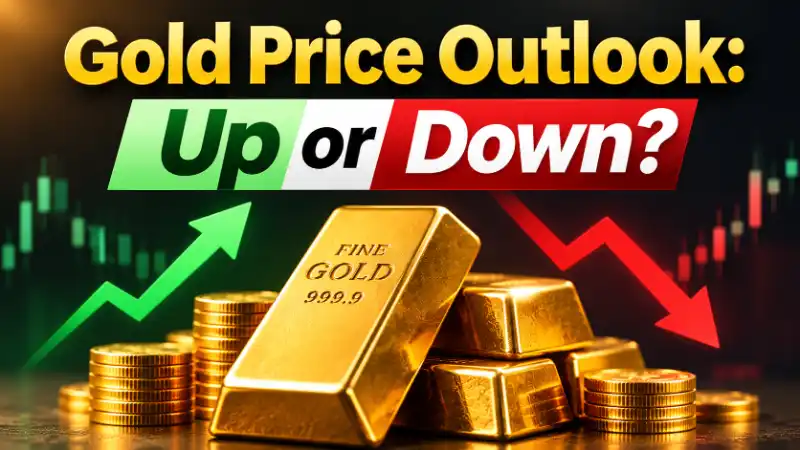
Gold has entered November under heavy selling pressure. The metal that climbed to a record above $5,500 an ounce earlier this year has fallen below $3,900, leaving investors facing a difficult question: is this a buying opportunity or the beginning of a deeper correction?
As of November 1, 2026, the immediate outlook remains weak. Rising oil prices, renewed expectations of US interest rate hikes and selling across financial markets have pushed gold sharply lower. Central bank purchases and investment demand still provide longer-term support, but they have not been enough to stop the latest decline.
Gold Price Today: Latest Market Numbers
International gold markets were closed on Sunday, November 1. The latest available trading prices are from Friday, October 30.
| Gold Market Indicator | Latest Figure |
|---|---|
| International spot gold, October 30 | $3,880.97 per ounce |
| Gold’s January record high | $5,595 per ounce |
| Decline from record high | Approximately 30.6% |
| India 24K gold, November 1, Delhi | ₹1,39,030 per 10 grams |
| India 22K gold, November 1, Delhi | ₹1,27,450 per 10 grams |
| India 24K gold, October 30, Delhi | ₹1,44,090 per 10 grams |
| India 24K gold, October 22, Delhi | ₹1,46,220 per 10 grams |
Indian retail prices are indicative and may differ between cities and jewellers. Taxes, making charges and dealer premiums can increase the final purchase price.
Also Read: Gold ETF vs Physical Gold: Key Differences, Costs, Benefits and Risks
The numbers show how quickly sentiment has changed. Gold is no longer experiencing an ordinary pullback from record highs. It has surrendered a substantial portion of its earlier gains, and traders are reassessing the economic conditions that previously supported the rally.
Why Is Gold Falling So Sharply?
The biggest problem for gold is the changing outlook for US interest rates.
Gold does not pay interest. When investors expect higher returns from government bonds and other interest-bearing assets, holding bullion becomes less attractive.
That pressure has intensified as rising crude oil prices threaten to keep inflation elevated. The conflict involving Iran has disrupted energy markets, increasing concerns that central banks may need to maintain restrictive monetary policies for longer.
Also Read: Gold ETF: How It Works, Benefits, Risks and How to Invest
Recent US economic figures have added to the pressure. Stronger-than-expected economic growth and persistent inflation have weakened hopes that the Federal Reserve will soon begin cutting rates.
The result is an uncomfortable combination for gold: elevated bond yields, a relatively firm dollar and reduced expectations of monetary easing.
Stock Market Selling Has Made the Correction Worse
Gold is traditionally considered a safe-haven asset, but that does not mean it rises during every market decline.
The October 30 selloff also affected technology shares, raising concerns about losses spreading across financial markets. When leveraged investors face margin calls or need immediate cash, they sometimes sell profitable or liquid assets, including gold.
Also Read: Gold Investment: A Complete Guide to Investing in Gold
This can produce sharp declines even when the longer-term case for holding the metal has not completely disappeared.
Friday’s selling suggests that liquidity pressure has become an important part of the current correction.

Why Central Banks Still Matter
One reason analysts have not abandoned gold’s longer-term outlook is continued buying by central banks.
Countries seeking to diversify foreign exchange reserves have increased their gold holdings in recent years. Gold offers an asset that is not directly dependent on another country’s government debt.
Also Read: 🟡 When to Buy Gold? A Complete Timing Strategy Using Market Cycles (2026 Guide)
China has remained an important buyer, while gold-backed exchange-traded funds have also attracted investment despite falling prices.
However, central bank demand is not a guarantee against further declines. It can help absorb selling without immediately reversing the market trend.
That distinction matters when prices are falling rapidly.
Gold Price Outlook: Three Possible Scenarios
Gold’s next direction will depend heavily on inflation, crude oil prices and Federal Reserve policy.
Also Read: Silver vs Gold: Which Is Better Now After the Rally and Crash? | Onetrader
| Scenario | Possible Gold Price Direction | Main Trigger |
|---|---|---|
| Bearish | Below $3,900 | Higher oil prices and stronger expectations of US rate hikes |
| Stabilisation | $3,900 to $4,100 | Reduced selling pressure and steadier bond yields |
| Recovery | $4,200 to $4,300 | Easing inflation concerns and a softer dollar |
These are conditional market scenarios, not guaranteed price targets.
The $3,900 area has become particularly important following the latest decline. If selling continues below this region, traders may become more cautious about the possibility of another downward move.
A recovery towards $4,200 would require more than a brief technical rebound. Investors would need stronger evidence that inflation pressures are easing and the Federal Reserve is approaching the end of its tightening cycle.
Can Gold Return to Its Previous Record?
A return to the January peak would require a major recovery from current levels.
Also Read: Silver vs Gold: Which Is the Better Investment in 2025 and Beyond?
That is possible over a longer investment horizon, but the immediate economic environment is considerably different from the conditions that supported the earlier rally.
Some institutional forecasts remain optimistic about gold’s longer-term prospects. Others expect weakness to continue through December before prices begin stabilising.
The difference largely comes down to when interest rates might stop rising and whether central bank buying can offset weaker speculative demand.
For now, expecting an immediate return to record highs would be premature.
Also Read: Why Gold Rallied, Correction View, and Future Scope
What Should Indian Gold Investors Watch?
Indian investors face an additional variable: the rupee-dollar exchange rate.
Domestic gold prices reflect international bullion prices, currency movements, import-related costs and local market conditions.
A weaker rupee can cushion the impact of falling international gold prices. Conversely, a stronger rupee can deepen the decline in domestic prices.
Investors tracking Gold ETFs should also watch fund expenses, trading liquidity and tracking differences rather than assuming every ETF will move identically.
Also Read: Gold vs Equity: The Real Relationship Every Investor Must Understand (2025 Guide)
For physical gold buyers, making charges and resale deductions remain important, particularly when prices are volatile.
Is Gold Going Up or Down From Here?
The short-term direction currently favours caution rather than an immediate return to the previous rally.
Gold has broken below an important psychological level, and the combination of higher oil prices, inflation worries and restrictive monetary policy remains difficult for the metal.
However, the longer-term picture is less one-sided. Central bank demand, reserve diversification and potential changes in monetary policy could support a recovery once financial conditions become more favourable.
Also Read: Where is Indian Investors’ Wealth? Gold, Real Estate, or Markets?
The next major test will be whether gold stabilises around current levels or continues falling ahead of the Federal Reserve’s December policy decision.
For investors, the central question is no longer simply how far gold has fallen. It is whether the economic forces driving that decline have begun to change.
Disclaimer: This article is for educational and informational purposes only and does not constitute financial or investment advice. Gold prices are volatile, and market forecasts or price levels do not guarantee future performance. Nothing in this article should be considered a recommendation to buy, sell or hold gold or any financial instrument. Onetrader is not a SEBI-registered investment adviser. Readers should consult a qualified financial adviser before making investment decisions.
Also Read: Gold Investment: History, Importance, Trends, and Future Analysis (2025)



Keep learning with OneTrader
Explore structured lessons and practical guides to build your market knowledge.

Need a laugh after all that money talk?
Paisa LOL: India's funniest finance page, with memes, comics, jokes and long funny stories.