November 8, 2026
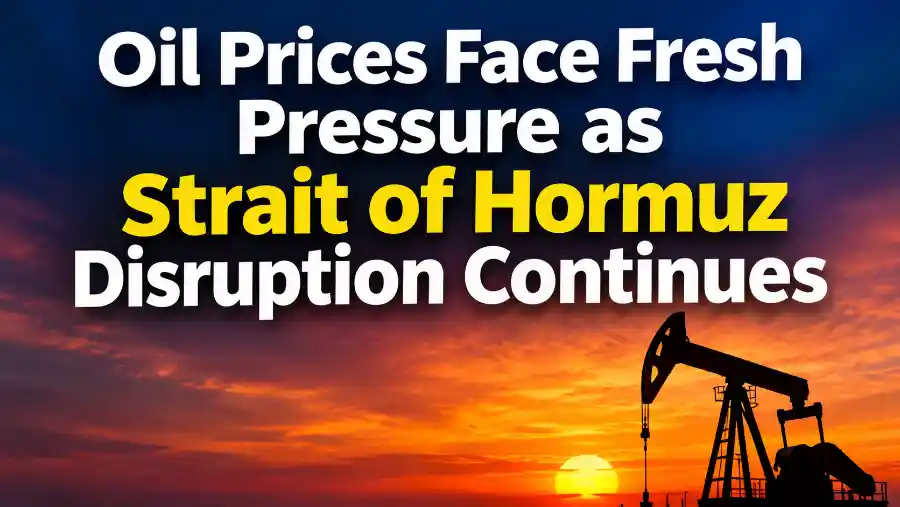
Global crude oil markets are entering another uncertain week as disruption to shipping through the Strait of Hormuz continues to threaten energy supplies, despite a sharp retreat in international oil prices. The latest assessment of the market points to a prolonged period of supply constraints, with Middle East tensions, shipping disruptions and changing political expectations pulling crude prices in different directions.
Brent crude ended Friday near $98 a barrel after a turbulent week in which expectations of diplomatic progress reduced some of the geopolitical premium built into oil prices. Yet the underlying supply situation remains fragile. The recovery of shipments through the Strait of Hormuz has not restored normal trade flows, leaving the global energy market exposed to further disruptions.
The latest forecasts suggest that crude oil and natural gas markets could remain under pressure well beyond the current year, with significant implications for energy-importing economies such as India.
Also Read: Crack Spreads Explained: How US Refinery Margins Work
Brent Crude Forecast Raised as Supply Concerns Persist
S&P Global has raised its crude oil price expectations, reflecting the continuing impact of Middle East conflict and restrictions on energy shipments.
The revised outlook assumes that disruption to regional energy supplies will persist into next year, even as shipping activity gradually improves.
| Oil market forecast | Revised estimate |
|---|---|
| Brent crude, remainder of 2026 | $105 per barrel |
| Brent crude, 2027 | $85 per barrel |
| Increase in 2026 forecast | $10 per barrel |
| Increase in 2027 forecast | $5 per barrel |
The revised projections underline an important distinction between short-term market sentiment and the physical availability of crude oil.
Futures prices can fall rapidly when traders expect geopolitical tensions to ease. However, restoring production, shipping capacity and normal trade routes can take considerably longer.
Also Read: How Do Companies Find Oil? From Seismic Surveys to Exploratory Drilling
That difference is becoming increasingly important as oil markets assess the likelihood of a sustained recovery in Middle East exports.
Why the Strait of Hormuz Remains Critical
The Strait of Hormuz connects the Persian Gulf with international shipping routes and serves as one of the world’s most strategically important energy corridors.
Oil producers across the Gulf depend heavily on the passage to transport crude oil and petroleum products to international customers. LNG shipments from Qatar also rely on the same route.

Before the disruption, approximately one-fifth of global oil and LNG exports moved through the strait, making it particularly sensitive to regional military developments and shipping restrictions.
Also Read: Types of Crude Oil Explained: Brent, WTI, Light, Heavy, Sweet and Sour
Although shipments have resumed, traffic remains below earlier levels. The resulting constraints affect not only the volume of energy reaching international markets but also transportation costs, insurance expenses and the availability of vessels.
Even when crude production remains intact, difficulties transporting oil to buyers can tighten supply in importing regions.
For Asian economies that depend heavily on Gulf energy, the consequences can be substantial.
Oil Prices Fall Despite Continuing Supply Risks
The latest trading week demonstrated how quickly geopolitical expectations can change the direction of crude oil prices.
Also Read: “History of Crude Oil: From Ancient Civilizations to the Modern Oil Industry (2026)
Following the US midterm elections, investors began reassessing the prospects for diplomatic progress in the Middle East. Expectations that political pressure could encourage a reduction in hostilities contributed to a sharp decline in crude oil prices.
Brent and West Texas Intermediate both recorded substantial weekly losses, reversing part of the geopolitical premium that had accumulated during October.
| Crude benchmark | Latest weekly reference | Weekly change |
|---|---|---|
| Brent crude | $98.05 per barrel | -12.7% |
| WTI crude | $90.62 per barrel | -11.9% |
The decline highlights the difference between immediate market expectations and longer-term supply conditions.
A reduction in geopolitical fears can encourage traders to unwind positions built around potential supply shortages. Nevertheless, the physical market continues to respond to actual export volumes, refinery demand and shipping availability.
Also Read: How Is Crude Oil Formed? The 300-Million-Year Process Explained
The next phase of oil price movements will depend heavily on whether diplomatic developments translate into a sustained improvement in energy transportation.
Natural Gas and LNG Markets Face Similar Challenges
The disruption is not limited to crude oil. International natural gas markets are also facing tighter conditions as LNG shipments remain vulnerable to developments in the Middle East.
European natural gas storage levels have added another layer of concern ahead of winter. Lower inventories increase the importance of consistent LNG deliveries, particularly during periods of stronger heating demand.
S&P Global has also raised its European natural gas price expectations, reflecting reduced global LNG availability and the possibility of continued supply constraints.
Also Read: What is Crude Oil? A Complete Beginner’s Guide (2025)
The situation matters for Asian importers because Europe and Asia compete for flexible LNG cargoes. Stronger European demand can influence the prices Asian buyers must pay to secure additional shipments.
What Higher Energy Prices Mean for India
India is particularly exposed to international crude oil movements because imported petroleum accounts for most of its crude requirements.
Sustained increases in oil prices can raise the country’s import bill, put pressure on the rupee and increase costs across transportation, manufacturing and logistics.
Refineries, aviation companies, chemical manufacturers and other energy-intensive industries are especially sensitive to changes in crude oil and natural gas prices.
For Indian commodity markets, international price movements also influence MCX crude oil and natural gas futures, with currency fluctuations adding another source of volatility.
The immediate focus is now shifting towards shipping activity in the Strait of Hormuz, developments in Middle East diplomacy and the pace at which energy exports recover.
A sustained improvement in physical shipments could ease pressure on international prices. Continued disruption, however, would leave the market vulnerable to renewed volatility even after the recent correction.
Disclaimer: This article is intended for educational and informational purposes only and does not constitute investment or trading advice. Commodity markets involve significant price volatility and financial risk. Onetrader is not a SEBI-registered investment adviser or research analyst.



Keep learning with OneTrader
Explore structured lessons and practical guides to build your market knowledge.

Need a laugh after all that money talk?
Paisa LOL: India's funniest finance page, with memes, comics, jokes and long funny stories.