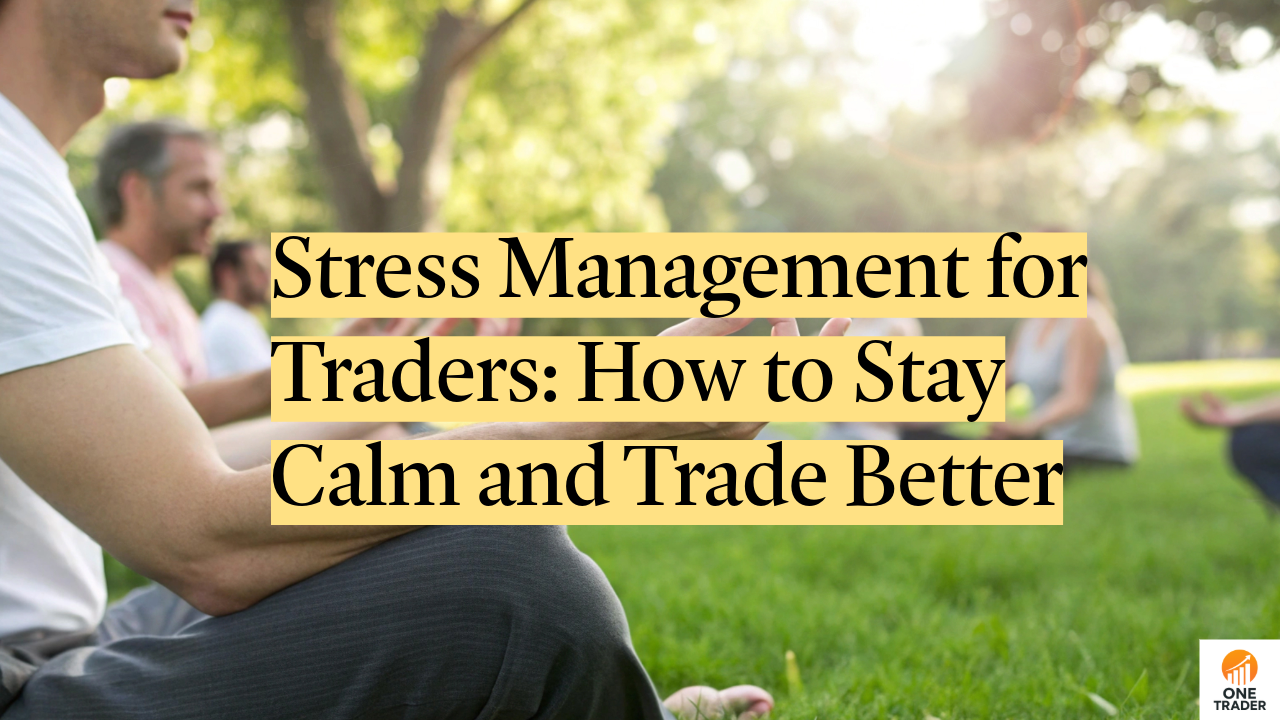
🧠 Stress Management for Traders: How to Protect Your Mind, Money, and Long-Term Career
By Onetrader | Health & Fitness for Traders Series
🏁 Introduction
Trading looks like a desk job.
But mentally, it’s one of the most stressful professions in the world.
No fixed salary.
Constant uncertainty.
Money on the line every second.
Instant feedback — profit or loss.
For traders, stress is not an occasional problem.
It is a daily companion.
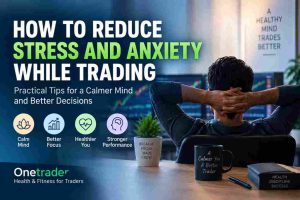
Also Read: How to Reduce Stress and Anxiety While Trading
If unmanaged, stress silently:
- Destroys decision-making
- Increases emotional trading
- Leads to burnout
- Affects sleep, health, and relationships
This article is about stress management made specifically for traders — not generic motivation, not textbook psychology, but real systems you can apply.
Because in trading, managing stress is managing risk.
⚠️ 1. Why Traders Experience Extreme Stress
Stress in trading comes from three unique factors:
Also Read: Meditation for Traders: Simple Techniques to Reduce Stress & Improve Focus
1️⃣ Uncertainty
You can do everything right and still lose money.
The brain hates uncertainty — and markets are built on it.
2️⃣ Financial Pressure
Every mistake costs money.
This creates constant background anxiety, even when markets are calm.
3️⃣ Emotional Attachment
Traders don’t just trade charts — they trade:
- Hope
- Fear
- Ego
- Expectations
This emotional cocktail makes trading mentally exhausting.
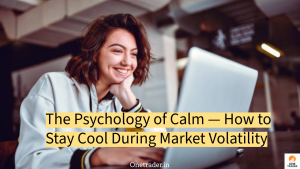
Also Read: The Psychology of Calm — How to Stay Cool During Market Volatility
Unlike office jobs, there is no pause button in the market.
🧠 2. What Stress Does to a Trader’s Brain
When stress increases:
- Logical thinking reduces
- Impulsive decisions increase
- Risk-taking becomes irrational
Your brain enters fight-or-flight mode.
In this state:
Also Read: Why Traders Need Mental Fitness More Than Physical Fitness
- You chase trades
- You exit early
- You move stoploss
- You revenge trade
This is why stressed traders often say:
“I knew the right thing… but still did the wrong thing.”
Stress disconnects knowledge from action.
🔄 3. Stress vs Discipline vs Performance
Let’s simplify:
Also Read: Are Wireless Headphones 150 Times More Harmful Than Wired? Real Science Behind Radiation
- Low stress → High discipline → Consistent performance
- High stress → Low discipline → Emotional trading
Stress doesn’t just affect emotions.
It directly attacks discipline, which is the backbone of trading.
That’s why stress management is not optional — it’s a trading skill.
🛠️ 4. Core Principles of Stress Management for Traders
Before techniques, understand these truths:
✅ You cannot eliminate stress completely
Markets will always be uncertain.
Also Read: Don’t Be Like Sandy: Why Traders Must Invest in Health Like Capital
✅ You can control your response
Stress management is about regulation, not avoidance.
✅ Systems reduce stress better than motivation
Rules calm the mind more than positive thinking.
🧘 5. Pre-Market Stress Control (Most Ignored Part)
Most stress begins before the market opens.
What NOT to do:
- Checking overnight P&L repeatedly
- Watching random YouTube predictions
- Scrolling Twitter/X for market opinions
What TO do:
- 5–10 minutes silence
- Deep breathing (slow exhale)
- Read your trading rules
This prepares your nervous system for volatility.
Also Read: 🧘 How to Balance Work and Health in Modern Life
A calm start often decides the whole trading day.
⏱️ 6. Stress Management During Market Hours
🔹 1. Limit Screen Time
Watching charts every second increases anxiety.
Professional traders:
- Watch key levels
- Ignore noise
- Let trades work
More screen time ≠ better trading.
Also Read: Food for Stock Market Traders: Boost Focus, Calm Mind, and Energy
🔹 2. Fixed Trading Window
Trade only during specific hours.
Example:
- 9:30 AM – 11:30 AM
- No trades after that
This:
- Reduces fatigue
- Prevents overtrading
- Protects mental energy
🔹 3. Maximum Trades Rule
Set a hard limit:
- Max 2–3 trades/day
Once limit is hit — stop.
This single rule:
- Cuts stress by 50%
- Improves trade quality
- Protects confidence
🧊 7. Handling Stress After Losses
Losses are the biggest stress trigger.
Healthy response:
- Pause
- Step away from screen
- Accept the loss as cost of business
Unhealthy response:
- Increasing quantity
- Jumping into next trade
- Trying to “recover” money
Losses don’t damage traders.
How you react to losses does.
🛌 8. Sleep, Stress, and Trading
Poor sleep:
- Increases emotional sensitivity
- Reduces patience
- Impairs judgment
Many traders ignore sleep to “focus on markets”.
Reality:
One bad sleep night can destroy a good strategy.
Simple rules:
- Fixed sleep time
- No charts 1 hour before bed
- Light dinner
Sleep is mental capital for traders.
🏃 9. Physical Movement as Stress Medicine
You don’t need gym obsession.
Just:
- Daily walk
- Stretching
- Light exercise
Movement:
- Releases stress hormones
- Improves mood
- Clears mental clutter
A tired body sleeps better.
A rested mind trades better.
📒 10. Journaling: Stress Awareness Tool
Most traders journal trades.
Few journal emotions.
Write daily:
- What stressed me today?
- When did I feel anxious?
- Did stress affect my decision?
Over time, patterns appear.
Awareness reduces stress automatically.
🧑💻 11. Lifestyle Stress = Trading Stress
If your life is:
- Chaotic
- Sleep-deprived
- Digitally overloaded
Your trading will reflect that.
Stress management is not only a market activity — it’s a lifestyle choice.
Clean desk.
Clean routine.
Clean mind.
🧭 12. Long-Term View: Stress and Trader Longevity
Short term:
- You can ignore stress
Long term:
- Stress causes burnout
- Health issues
- Loss of confidence
- Exit from markets
The best traders are not the smartest —
They are the mentally sustainable ones.
🏁 Conclusion
Stress is not your enemy.
Unmanaged stress is.
Markets will always move.
Losses will happen.
Uncertainty will stay.
Your job is not to fight stress —
Your job is to manage it intelligently.
Because a calm trader:
- Thinks clearly
- Acts rationally
- Survives longer
And in trading, survival is success.
This is the Onetrader Way — Calm Mind, Controlled Risk, Long-Term Growth.
🔔 Stay Tuned
Next in the Health & Fitness for Traders series:
👉 “Meditation for Traders — Simple Techniques to Reduce Stress & Improve Focus”
No spiritual talk.
Only practical methods traders can actually use.
Stay tuned. Stay calm. Trade smart. 🧠🔥