
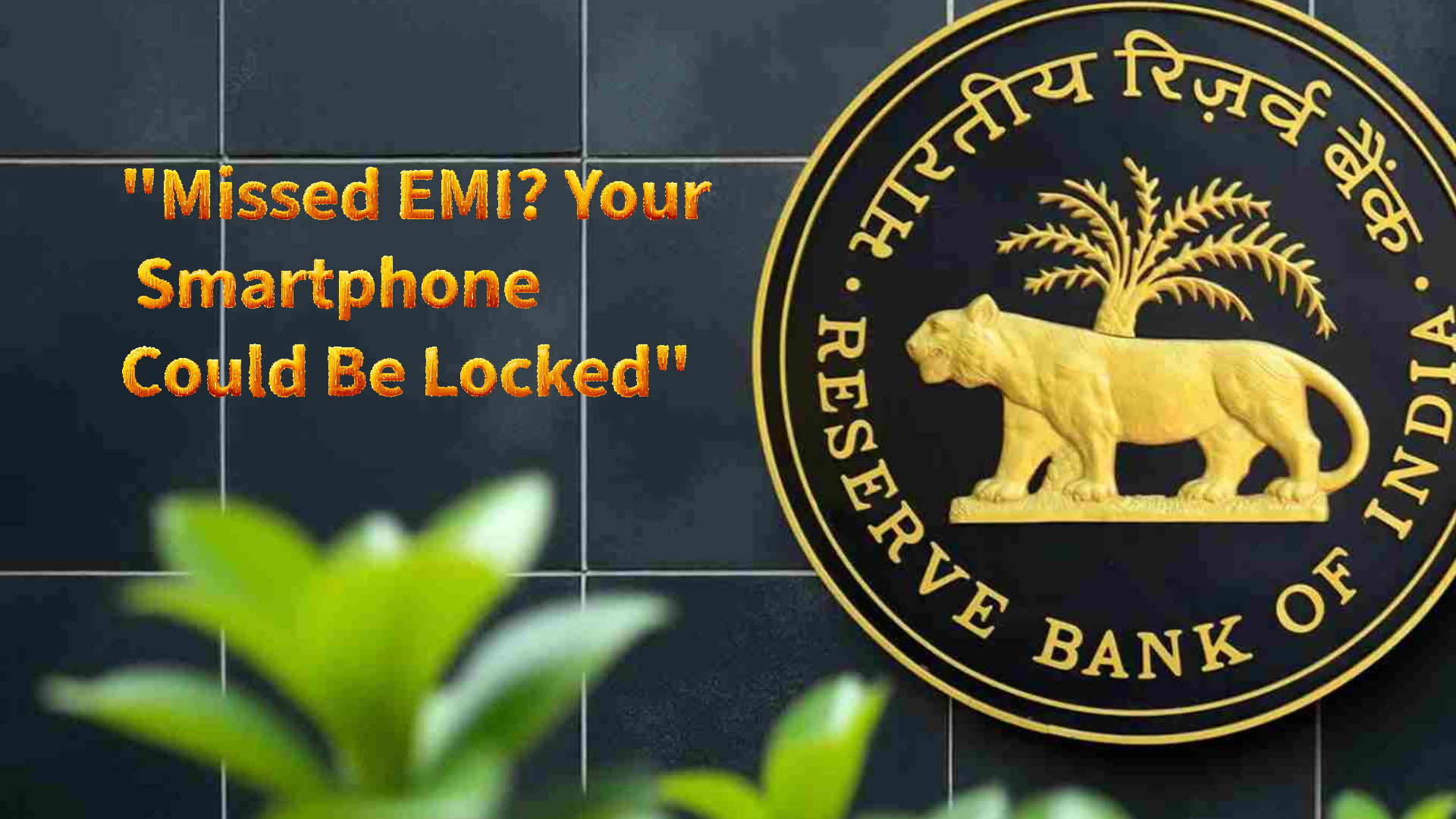
📱 “RBI May Let Banks Remotely Lock Phones on Loan Default” — Truth, Risks & What It Means
📰 What’s Going On?
- The Reserve Bank of India (RBI) is reportedly preparing a framework that would allow lenders — banks and NBFCs — to remotely lock mobile phones bought via credit/loan if the borrower defaults on EMI payments.
- This would be part of a change to the Fair Practices Code by RBI.
- It’s aimed especially at small-ticket consumer electronics / mobile loans, where defaults are rising.
- Key condition: Any locking would require prior explicit consent from the borrower at the time of the loan agreement. Also, the lender must not access personal data or tamper with it.
- RBI earlier asked lenders in 2024 to stop locking defaulting phones due to abuse concerns. This would be a reintroduction with safeguards.
So yes — it’s not law yet, but under active consideration.
✅ Why It’s Being Considered:
- Curb small-loan defaults: Many small electronics / smartphone purchases are on EMIs. Defaults especially on “buy now, pay later” for phones are a growing pain for lenders.
- Recovery tool: Lenders see it as a way to enforce discipline — if a device can be made unusable, there’s stronger incentive to repay.
- Enhancing security of digital lending: In many cases, the device is core collateral. Having a locking mechanism strengthens borrower’s skin in the game.
⚠️ Big Risks & Criticisms:
- Privacy & data rights: Even if they “only lock” the phone without reading data, that control over a personal device raises alarms on digital autonomy.
- Life impact: People rely on phones for work, education, health, payments, banking. Locking might cut them off from essential services.
- Misuse / errors: What if there’s a delay, dispute, or technical glitch? The device locked wrongly can cause huge harm.
- Consent complexity: Borrowers must understand what they’re agreeing to. Consent given under pressure may not be truly informed.
- Legal & constitutional questions: Indian courts might challenge remote locking as overreach on property and privacy rights.
🔍 What It Means for Consumers & Borrowers:
- If this proposal becomes law, every time you take a phone on EMI or credit, you might have to consent to remote locking.
- Lenders will likely build the locking mechanism into the purchase contract / app.
- To protect yourself:
• Read fine print carefully — look for “remote locking clause”
• Try to pay on time or negotiate grace periods
• Use credit scores and good repayment behavior
• Push for clarity on how many defaults before lock, dispute mechanisms
🧩 Broader Implications for Lending / Tech / Society:
- Could set precedent: remote control over devices might expand to other financed goods (TV, laptops).
- Encourages stricter underwriting by lenders (only lend to higher credit profiles).
- May discourage small-ticket credit for low-income users — tech inclusion concern.
- Will push courts & data protection authorities into defining boundaries of digital control vs consumer rights.
🎯 Final Thought
This proposal — letting lenders remotely lock your phone if you default — is not confirmed yet, but it’s under serious review by RBI. If it passes, it will be a landmark shift in how consumer credit is enforced in India.
It’s a powerful recovery tool for lenders, but also a potential risk to privacy, access, and fairness.
Also Read: Top 10 Global Market News Today: Brazil Vote, Audi’s U.S. Plant & More

OurPaisa Tools
Explore Tools →More useful tools from OurPaisa
Explore calculators, everyday tools and practical resources.