
Estimated reading time: 5 minutes
Thank you for reading this post, Please bookmark onetrader.in website for regular updates!
📚 Liquidity Concepts & Stop Hunt Zones – The Smart Money Trap
Introduction
Every trader has faced it: price touches your stop-loss… then rockets in your original direction.
That’s not bad luck — it’s liquidity engineering.
Big players need liquidity (orders) to enter or exit large positions.
Retail traders provide that liquidity through clustered stop-losses.
Understanding where these “liquidity pools” sit is one of the biggest edges in price-action trading.
In this lesson, we’ll decode liquidity, stop hunts, and how to trade the smart-money way so you ride the move — not get hunted by it.
1. What Is Liquidity in Trading?
Liquidity means the availability of orders at different price levels.
High liquidity = many buyers + sellers = easy to enter or exit trades.
Smart money (institutions, funds) can’t buy 1 lakh shares quietly.
They need opposite orders (retail stops, pending sell orders) to fill their buys.
That’s why they target zones where retail traders place stop-losses — called liquidity pools.
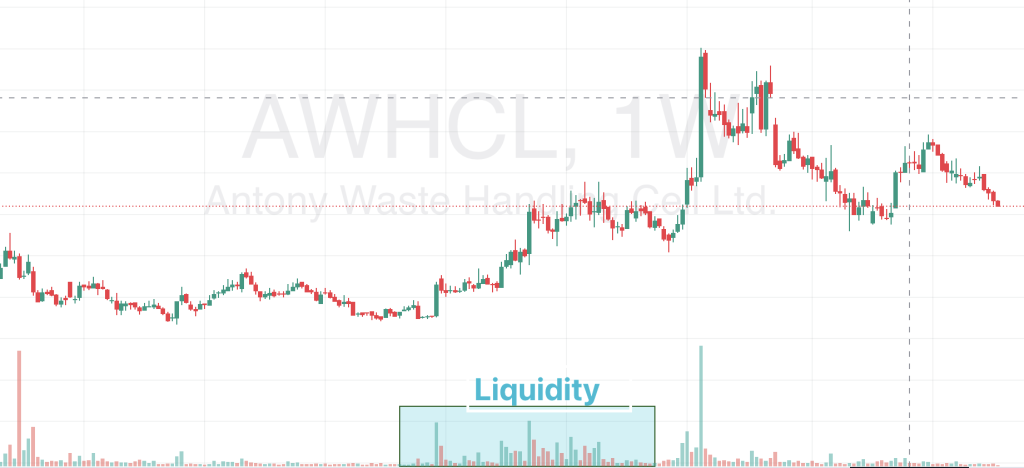
2. Where Does Liquidity Hide?
Most retail stops cluster around:
- Previous swing highs/lows
- Round numbers (₹2000, ₹2500, ₹3000)
- Support & resistance zones
- Breakout levels from obvious chart patterns
When price spikes above a resistance or dips below support and instantly reverses — that’s a liquidity sweep.
3. Buy-Side & Sell-Side Liquidity
- Buy-Side Liquidity: Stops of short-sellers → above swing highs.
- Sell-Side Liquidity: Stops of long traders → below swing lows.
Smart money alternates between both sides to collect liquidity before starting the real move.
📊 Example (Reliance):
Price forms equal highs near ₹2800.
Retail traders short there with stops @ ₹2820.
Institutions push price to ₹2825 → grab liquidity → then drop ₹100+.
Classic buy-side sweep.
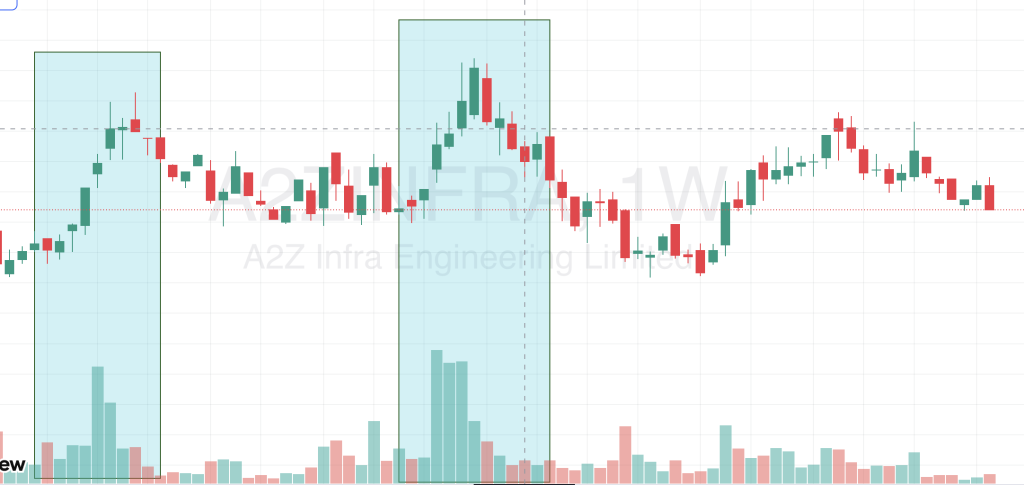
4. The Stop Hunt Mechanism
- Identify obvious highs/lows where traders hide stops.
- Smart money drives price through those levels.
- Stops trigger → provides liquidity for their entries.
- Price quickly reverses → true direction begins.
You’ll see this as long wicks piercing key levels — especially near news events or session opens.
5. Liquidity Pools vs Inducement
- Liquidity Pool: Real cluster of stop-orders.
- Inducement: Market forms tempting setup to attract traders into the wrong side before sweeping them.
📈 Example: A fake breakout pattern encourages buyers right before liquidity grab.
6. External vs Internal Liquidity
- External Liquidity: Stops beyond major swing highs/lows — visible to everyone.
- Internal Liquidity: Mini highs/lows inside a range — used for intraday manipulation.
Smart traders mark both; sweeps of external liquidity often start bigger reversals.
7. How to Identify Liquidity Zones Step by Step
- Mark equal highs/lows and obvious support/resistance.
- Note round numbers and psychological levels.
- Observe tight consolidations — liquidity builds inside.
- Wait for sweep candle — wick beyond key level + fast rejection.
- Confirm with market structure shift (BOS/CHoCH) for entry.
8. Real-World Example – Bank Nifty
During April 2023, Bank Nifty formed equal highs around ₹42,000.
When CPI news hit, price spiked to ₹42,150 → stops triggered → liquidity taken.
Minutes later, it dropped to ₹40,800.
Traders who understood liquidity waited for the sweep + CHoCH on 15-min chart and shorted the retest — result = 1000+ points.
9. Trading Strategy – Liquidity Sweep Entry
Setup Steps
- Identify liquidity pool above/below key level.
- Wait for sweep wick and candle close back inside structure.
- Confirm CHoCH/BOS in opposite direction.
- Enter on pullback to sweep zone.
- Stoploss = few points beyond sweep high/low.
- Target = next structure or liquidity pool.
📌 Best on 15 min, 1 hr, or 4 hr charts.
10. Pro Tips
💡 Patience — wait for the sweep and structure confirmation.
💡 Liquidity grabs often happen during London / New York session overlaps.
💡 Mark both sides — market often sweeps one side then runs to the other.
💡 Combine with volume spikes — fake breakouts show sudden high volume + long wicks.
11. Common Mistakes
❌ Entering as soon as level breaks — wait for rejection.
❌ Trading every wick — not all are stop hunts.
❌ Ignoring higher timeframe liquidity — smaller sweeps can fail.
❌ Tight stops inside sweep zone — give space beyond structure.
12. Psychology Corner
A stop-hunt hurts emotionally because it feels personal.
But once you accept it’s just liquidity gathering, you stop fighting it.
You’ll start thinking like smart money — “Where are the stops?” — and position yourself there after they’re taken.
⚡ The moment you stop being the hunted and start trading with the hunters, your mindset shifts forever.
13. Liquidity Trading Checklist
✅ Mark external & internal liquidity zones.
✅ Identify equal highs/lows + round numbers.
✅ Wait for liquidity sweep (wick beyond level).
✅ Confirm BOS / CHoCH after sweep.
✅ Enter on retest.
✅ Stoploss = beyond sweep high/low.
✅ Target = next liquidity area.
✅ Avoid low-volume sessions.
🏁 Conclusion
Liquidity concepts reveal the hidden game behind every price move.
When you understand where stops sit and how smart money collects them, you stop reacting and start predicting.
Combine liquidity with market structure (Part 3) and price action entries — and you’ll possess a professional-level edge.
👉 Trade with patience. Trade with structure. Trade with smart money.
✅ FAQ Section
1️⃣ What is liquidity in trading?
Liquidity is the total volume of buy/sell orders available at different price levels. High liquidity zones attract institutional interest.
2️⃣ What is a stop hunt?
A stop hunt happens when price briefly moves beyond key highs/lows to trigger retail stop-losses, then reverses sharply.
3️⃣ How do I trade liquidity sweeps?
Wait for the sweep + strong rejection candle + BOS/CHoCH confirmation before entering in the opposite direction.
4️⃣ Why does smart money target liquidity?
Large players need liquidity to fill massive positions. Retail stops provide that liquidity supply.
5️⃣ Is liquidity trading suitable for beginners?
Yes, but practice on higher timeframes first. Liquidity traps on lower timeframes can mislead inexperienced traders.