
🌍 Introduction
While Bitcoin challenged banks and Ethereum empowered developers, Ripple chose a different path — it decided to work with banks instead of against them.
At the center of this story is XRP, the digital asset designed for fast, low-cost global payments.
Ripple’s journey has been dramatic — filled with innovation, partnerships, lawsuits, and one of the biggest regulatory battles in crypto history.
This is the life of Ripple (XRP) — the crypto that tried to bank the blockchain world.
Also Read: Bitcoin Nears $80,000: What Is Driving the Powerful Rally?
🚀 The Birth of Ripple (2012)


4
Ripple was officially founded in 2012 by Chris Larsen and Jed McCaleb.
But the idea started even earlier — inspired by a system called RipplePay, which aimed to create decentralized money transfers.
Unlike Bitcoin, Ripple didn’t focus on mining or decentralization through proof-of-work.
Instead, it created:
Also Read: Bitcoin Rally: Why BTC Surged Above $70,000
- ⚡ A consensus ledger
- 🌍 A global payment settlement system
- 🏦 Infrastructure for banks
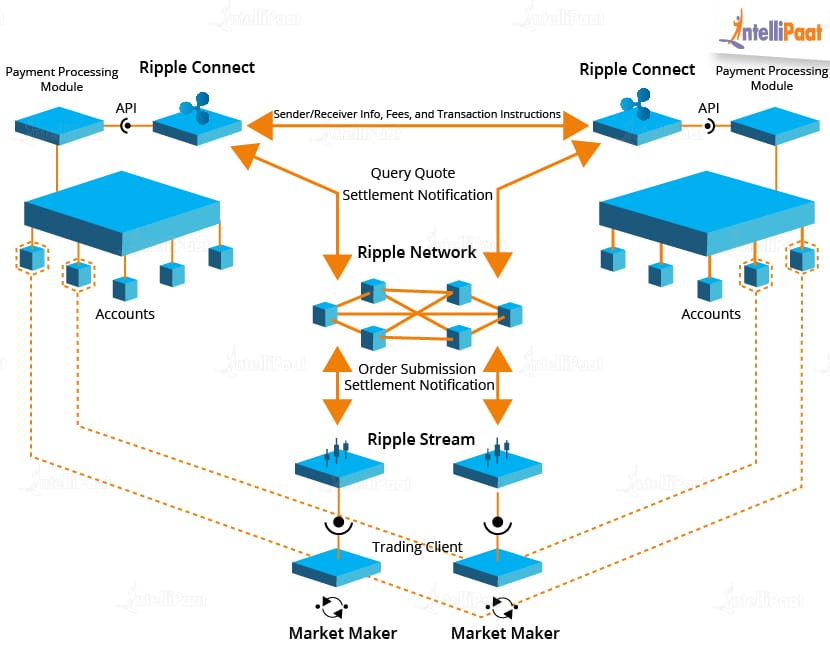
Ripple Labs developed the XRP Ledger (XRPL) — capable of settling transactions in 3–5 seconds, compared to Bitcoin’s 10 minutes.
💡 What Makes XRP Different?
Most cryptocurrencies aim to remove banks.
Ripple aimed to upgrade banks.
Key Differences:
- ⚡ Extremely fast settlement (seconds)
- 💰 Very low transaction fees
- 🔁 No mining required
- 🏦 Built for institutional cross-border payments
Traditional SWIFT transfers can take 2–5 days.
Ripple aimed to reduce that to seconds.
XRP was designed as a bridge currency — allowing banks to convert currencies instantly without holding large reserves.
Also Read: The Life of Binance – From Startup Exchange to Global Crypto Powerhouse
🌐 RippleNet – The Banking Network
Ripple created RippleNet, a network connecting:
- Banks
- Financial institutions
- Payment providers
Major partnerships over the years included:
- Santander
- SBI Holdings
- American Express
- MoneyGram
Ripple positioned itself as a blockchain infrastructure company, not just a crypto project.
📈 The Rise of XRP (2017 Bull Run)
During the 2017 crypto boom:
Also Read: How to Trade Bitcoin From India (2025 Legal & Safe Guide)
- XRP surged from fractions of a cent to over $3.80
- Became the second-largest cryptocurrency by market cap
- Gained massive retail and institutional attention
Investors believed Ripple could dominate global remittances.
But success attracted scrutiny.
⚖️ The SEC Lawsuit – A Historic Battle (2020–2023)

4
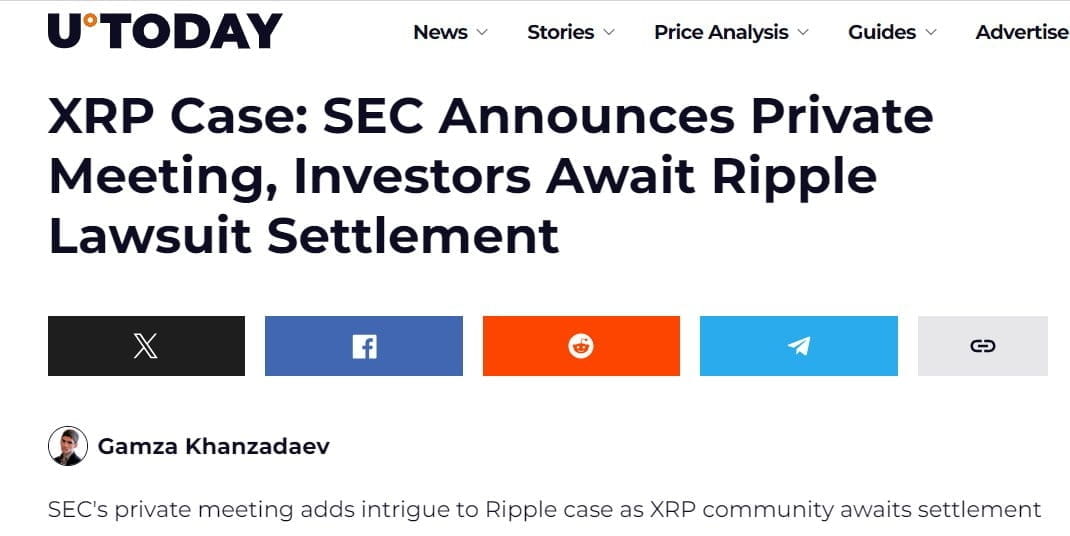
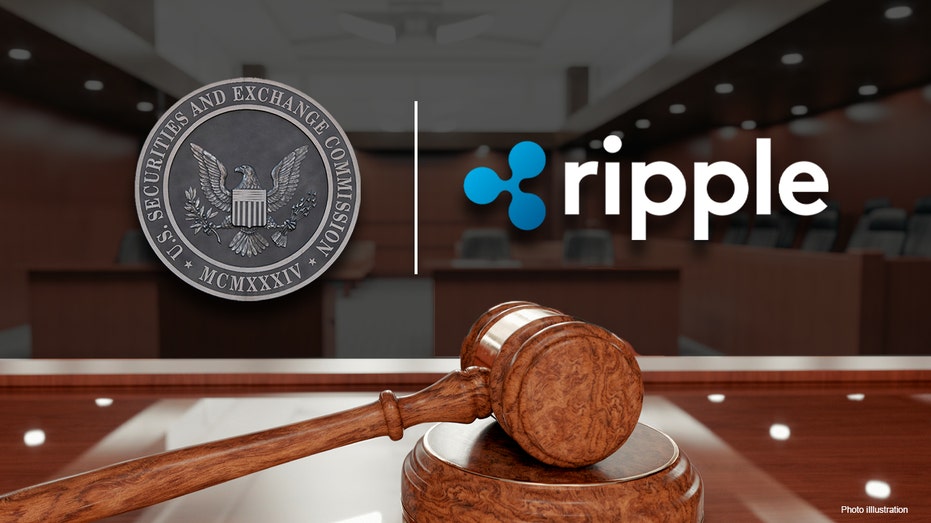
In December 2020, the U.S. Securities and Exchange Commission (SEC) filed a lawsuit against Ripple Labs.
Also Read: The Life of Ethereum – The Smart Contract Revolution
The allegation:
XRP was sold as an unregistered security.
This was one of the biggest regulatory battles in crypto history.
Immediate consequences:
- XRP was delisted from many US exchanges
- Price crashed sharply
- Massive uncertainty hit the community
After years of legal battle, partial court rulings in 2023 favored Ripple in key areas — stating XRP itself is not inherently a security in secondary markets.
Also Read: The Life of Bitcoin – From a Dream to a Digital Revolution
This case became a landmark moment for crypto regulation worldwide.
🧠 The Philosophy Behind Ripple
Ripple’s philosophy is very different from Bitcoin’s anti-bank ideology.
Ripple believes:
- Blockchain can modernize banking
- Institutions are necessary for large-scale adoption
- Speed and liquidity matter more than ideology
Ripple doesn’t promise financial rebellion.
It promises financial efficiency.
🌍 Ripple Today (2024–2025)
Today, Ripple focuses on:
- Cross-border payment corridors
- Central Bank Digital Currency (CBDC) solutions
- Liquidity services for financial institutions
- Expansion in Asia and Middle East
XRP remains among the top cryptocurrencies by market cap, with strong community backing.
Despite legal challenges, Ripple survived — and in many ways, matured.
🔮 The Future of XRP
The future of Ripple depends on:
- Final regulatory clarity in the US
- Global banking adoption
- CBDC integrations
- Expansion into tokenized assets
If banks fully adopt blockchain rails, XRP could become a key liquidity bridge.
But risks remain:
- Regulatory uncertainty
- Competition from stablecoins
- Centralized perception criticism
Ripple’s future is tied closely to institutional blockchain adoption.
❤️ Conclusion
Ripple’s life is not about rebellion.
It’s about integration.
While Bitcoin disrupted and Ethereum innovated, Ripple negotiated.
It chose the harder road — working with traditional finance while living in the crypto world.
As Onetrader says:
“Some cryptos fight the system. Ripple tries to upgrade it.”