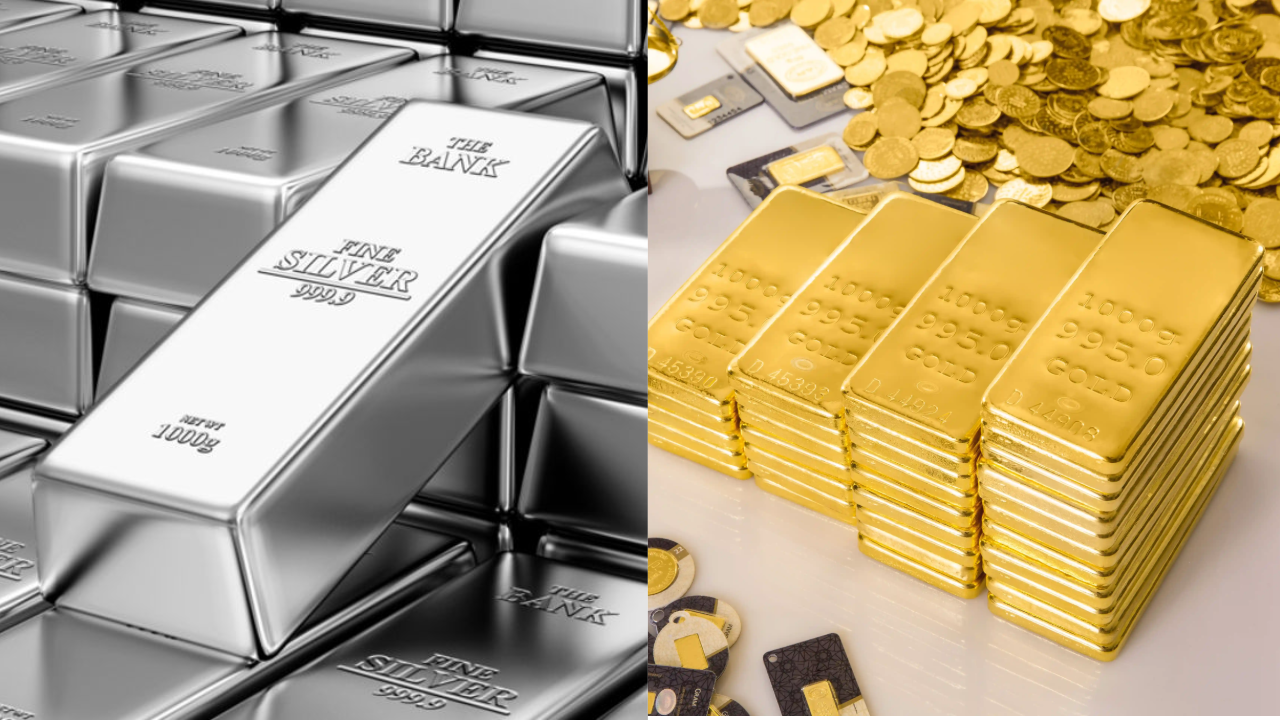
Silver vs Gold – Which Is Better Now After the Rally and Crash?
(No hype, no targets, no fake certainty. This is an investor-trust article.)
Silver vs Gold – Which Is Better Now? A Clear Investor Analysis
For decades, gold and silver have been the two most trusted precious metals for investors.
But after the recent sharp silver rally followed by a futures crash, and gold holding relatively steadier ground, investors are confused again:
👉 Is silver still the better opportunity?
👉 Or is gold the safer and smarter choice now?
The answer is not emotional, not “one is good, one is bad”.
It depends on risk profile, time horizon, and purpose of holding.
Also Read: Gold ETF: How It Works, Benefits, Risks and How to Invest
Let’s break this down properly.
1️⃣ Gold and Silver: Same Category, Very Different Behavior
Although both are precious metals, gold and silver behave very differently in markets.
Gold:
- Primarily a monetary and store-of-value asset
- Demand driven by:
- Central banks
- Long-term investors
- Currency hedge seekers
- Price moves are slower and steadier
Silver:
- A hybrid metal:
- Part precious metal
- Part industrial metal
- Demand driven by:
- Solar, EVs, electronics
- Investors and traders
- Price moves are faster and more volatile
This single difference explains most of the debate.
2️⃣ Recent Performance: What Just Happened?
Silver:
- Experienced a sharp rally
- Became heavily crowded with traders
- Futures market overheated
- Then faced a violent correction
Gold:
- Also rose, but in a controlled manner
- Did not experience extreme futures liquidation
- Maintained relative stability
This divergence has shifted investor sentiment:
Also Read: Gold Investment: A Complete Guide to Investing in Gold
- Traders feel burned in silver
- Investors feel reassured by gold
But short-term price action alone does not decide long-term superiority.
3️⃣ Volatility: The Biggest Difference
If there is one word that separates silver from gold, it is volatility.
Silver volatility:
- Sharp rallies
- Deep corrections
- Futures-driven swings
- Emotionally challenging
Gold volatility:
- Gradual moves
- Smaller drawdowns
- Less speculative pressure
This means:
- Silver rewards timing and discipline
- Gold rewards patience and consistency
So the question becomes:
Also Read: Why Silver Prices Are So Volatile in 2026: What Is Driving the Huge Swings?
Can you tolerate volatility?
4️⃣ Risk vs Reward: Who Offers More Upside?
Silver’s upside:
- Smaller market size → easier to move prices
- Industrial demand adds structural support
- Supply constraints amplify rallies
Gold’s upside:
- Acts as insurance, not growth asset
- Upside is usually moderate
- Protects purchasing power
Historically:
- Silver outperforms gold in bull cycles
- Gold outperforms silver in crises
This cycle behavior is critical for decision-making.
5️⃣ Industrial Demand vs Monetary Demand
Silver’s industrial strength:
- Solar panels
- Electric vehicles
- Electronics
- Medical and industrial uses
This means:
Also Read: 🟡 When to Buy Gold? A Complete Timing Strategy Using Market Cycles (2026 Guide)
- Silver benefits from economic growth
- But suffers when growth slows
Gold’s monetary strength:
- Central bank reserves
- Inflation hedge
- Currency protection
This means:
- Gold benefits from uncertainty and fear
- Less dependent on economic growth
So ask yourself:
Are we heading into growth or uncertainty?
That answer heavily influences the choice.
Also Read: Silver vs Gold: Which Is the Better Investment in 2025 and Beyond?
6️⃣ Supply Dynamics: Quiet but Powerful
Gold supply:
- Relatively stable
- Recycling increases when prices rise
- Large above-ground stock exists
Silver supply:
- Mostly mined as by-product
- Supply does not increase easily
- Less above-ground inventory
This gives silver a structural supply advantage over time — but only when demand remains strong.
7️⃣ Futures Market: Why Silver Looks More Dangerous
Silver futures:
- High leverage
- Lower margin requirements
- Attract speculative money
Gold futures:
- More institutional participation
- Less retail speculation
- More stable positioning
This is why:
Also Read: Is Silver Overvalued or Still Undervalued After the Crash? | Onetrader Analysis
- Silver futures crash harder
- Gold futures remain relatively orderly
For long-term investors:
👉 Futures behavior should not be confused with spot or physical value.
8️⃣ Long-Term Valuation Perspective
From a valuation lens:
- Gold is rarely cheap, rarely expensive
- Silver oscillates between:
- Deep undervaluation
- Sudden overexcitement
After the recent correction:
- Silver is less overheated
- But still volatile
- Gold remains fairly valued
Neither metal is in a bubble right now, but silver carries more short-term risk.
Also Read: Silver Futures Crash Explained: Why Prices Fell After the Massive Rally
9️⃣ Portfolio Role: This Changes Everything
The real answer lies in portfolio role, not prediction.
Choose gold if:
- You want stability
- You fear currency debasement
- You want insurance
- You dislike volatility
Choose silver if:
- You accept volatility
- You believe in industrial growth
- You want higher upside
- You invest with patience
Best option for most investors:
👉 Hold both, but in different proportions.
🔟 Ideal Allocation Logic (Not Advice, Just Framework)
A conservative framework many investors follow:
- 60–70% Gold
- 30–40% Silver
Aggressive investors may tilt more toward silver, but never 100%.
Also Read: Why Silver Is Rallying So Sharply in 2025–26 | Real Reasons Behind the Massive Silver Boom
Diversification inside metals reduces regret.
1️⃣1️⃣ Psychological Reality: Can You Hold Through Pain?
Silver tests emotions.
Gold tests patience.
Most investors:
- Buy silver at peaks
- Sell at corrections
- Then say “silver is dangerous”
The metal isn’t dangerous — poor position sizing is.
Also Read: Top Silver Mining Companies to Watch – The Giants Behind the Silver Boom
Gold forgives mistakes.
Silver punishes them.
1️⃣2️⃣ So… Which Is Better Now?
Honest answer:
✔ Gold is better for stability
✔ Silver is better for potential returns
✔ Neither is “wrong”
✔ Both serve different purposes
If forced to choose:
- Risk-averse → Gold
- Risk-aware → Silver
- Long-term balanced → Both
Final Thoughts – Onetrader View
“Gold protects wealth. Silver challenges discipline.”
Also Read: Why Gold Rallied, Correction View, and Future Scope
Silver will always look exciting.
Gold will always look boring.
But boring assets protect portfolios.
Exciting assets grow them — if handled correctly.
The smart investor doesn’t ask:
Which metal will go up more?
Also Read: The Role of Silver in the Green Energy Revolution – Why the World Can’t Go Green Without It
They ask:
Which metal fits my temperament and timeline?
That’s how real wealth is built.
Also Read: Gold vs Equity: The Real Relationship Every Investor Must Understand (2025 Guide)