
🍴 Zomato Business Model — How India’s Food Tech Giant Really Makes Money
(by Onetrader Guide)
🔹 Introduction
Zomato has evolved from a simple restaurant discovery website into a multi-layered food-tech ecosystem.
It’s not just about food delivery anymore — Zomato operates across logistics, advertising, dining, hyperlocal commerce, and fintech.
Understanding Zomato’s business model gives a clear picture of how a modern platform builds multiple revenue streams around one core habit — eating.
🔹 Zomato’s Core Ecosystem
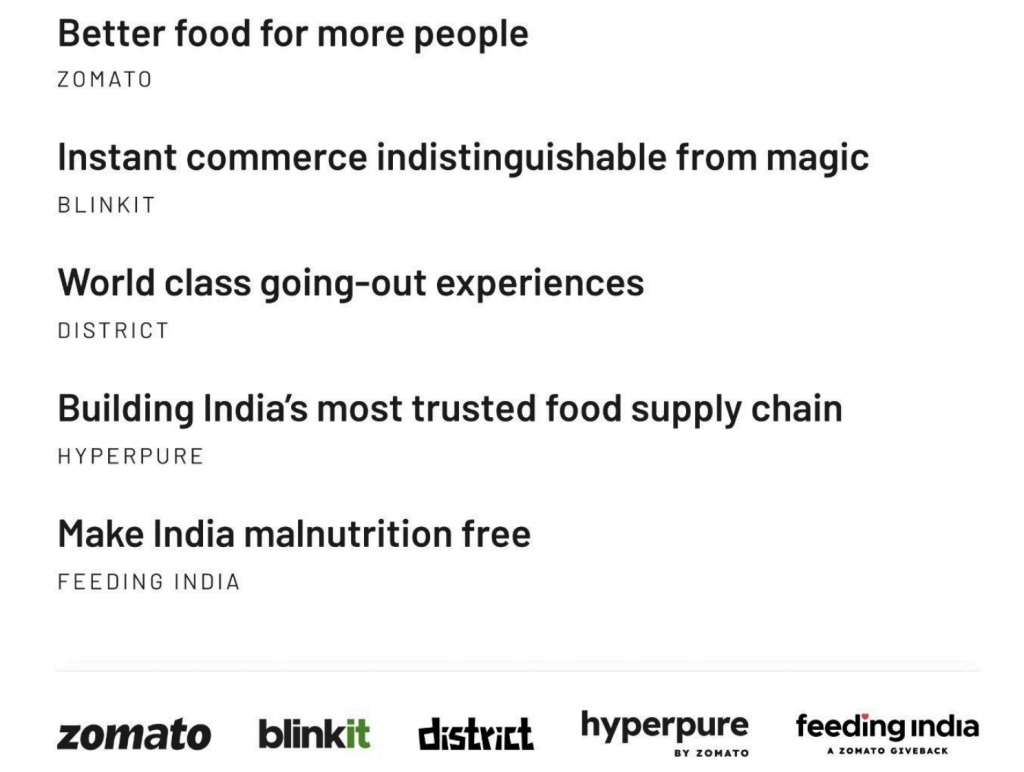
Zomato’s business model revolves around 3 core engines that feed each other:
Also Read: Raymond: From Suits to High-Precision Engineering — The Transformation Is Just Beginning
- Food Delivery Business (B2C)
- Dining Out & Advertising (B2B)
- Quick Commerce (Blinkit) & Hyperlocal Businesses
Supporting these is a strong logistics network, loyalty ecosystem (Zomato Gold), and data-driven ad platform.
🍽️ 1. Food Delivery Business (B2C Core)
This is Zomato’s backbone.
Users place orders through the Zomato app → partner restaurants receive them → Zomato’s delivery partners complete the fulfillment → both the restaurant and customer pay Zomato fees.
💰 Revenue Sources:
- Commissions from Restaurants:
Restaurants pay a commission (usually 18–25%) on the order value. - Delivery Charges:
Customers pay a variable delivery fee depending on distance, surge time, and location. - Subscription Fees (Zomato Gold):
Users pay ₹199–₹399/month for free delivery, priority access, and discounts. - Restaurant Delivery Support:
Some restaurants pay extra for Zomato’s own delivery fleet instead of managing theirs.
⚙️ Business Economics:
Zomato’s scale allows them to negotiate better commissions and manage delivery efficiency —
leading to higher contribution margins and positive EBITDA in FY24 for the first time in company history.
Also Read: DMCC Speciality Chemicals: The 100-Year Chemical Company Building a New Specialty Business
🍷 2. Dining Out & Advertising (B2B)
Originally, this was Zomato’s starting business — helping users discover and review restaurants.
Today, it has evolved into a strong B2B revenue stream.
💰 Revenue Sources:
- Ad Subscriptions:
Restaurants pay for premium visibility (sponsored listings, banners, highlighted menus). - Zomato Gold Partnerships:
Premium dining experiences, exclusive discounts, and curated offers for Zomato Gold users. - Event / Campaign Partnerships:
Restaurants and brands collaborate with Zomato for events, seasonal campaigns, and influencer tie-ups.
🔍 Why It’s Important:
- Advertising is high-margin, boosting overall profitability.
- Dining data gives Zomato deep consumer insights for its other businesses (like Blinkit).
⚡ 3. Quick Commerce (Blinkit)
Zomato’s acquisition of Blinkit (formerly Grofers) marked its entry into the 15-minute delivery space.
Blinkit delivers groceries, electronics, and daily essentials — powered by Zomato’s logistics and delivery expertise.
💰 Revenue Sources:
- Commission from Sellers:
Merchants pay ~12–15% per order. - Delivery Fees from Customers:
Dynamic pricing similar to food delivery. - Advertising & Brand Partnerships:
FMCG brands pay for product visibility, banner space, and app placement. - Warehouse Partnerships:
Blinkit earns service fees from dark store operators for fulfillment services.
📈 Future Impact:
Quick commerce is growing fast — it already contributes 25–30% of total revenue,
and is expected to drive the next phase of profitability due to high order frequency per user.
💼 4. B2B Supplies & Hyperpure
Hyperpure is Zomato’s B2B vertical that supplies fresh ingredients, groceries, and packaging to restaurants.
Also Read: Avalon Technologies: The EMS Company Quietly Building India’s Next Manufacturing Engine
💰 Revenue Model:
- Restaurants purchase supplies directly from Hyperpure’s platform.
- Zomato earns margins on wholesale distribution (typically 10–15%).
This builds a closed ecosystem — the same restaurant that receives orders from Zomato also buys its raw materials from Zomato’s supply arm.
💳 5. Loyalty, Fintech & Value-Added Ecosystem
Zomato is increasingly monetizing its user base through complementary verticals:
- Zomato Gold: Subscription model driving user retention.
- Zomato Pay: Simplifies in-restaurant payments with cashback and offers.
- Ad Tech Engine: Targeted ads for restaurants and FMCG brands using behavioral data.
- Fintech (Pilot Stage): Small credit lines for restaurants and delivery partners.
Each of these layers enhances customer stickiness — increasing average order frequency and lifetime value (LTV).
🔹 Management Comments & Vision
Zomato’s leadership — especially Deepinder Goyal (Co-founder & CEO) — has been very vocal about long-term profitability, discipline, and ecosystem expansion.
Also Read: IREDA: The Green Financing Powerhouse Funding India’s Renewable Energy Boom
🗣️ “We’re not just building a food delivery company. We’re building an ecosystem around convenience — where customers can get anything they need in minutes.”
— Deepinder Goyal, CEO, Zomato
🗣️ “Our focus has shifted from growth at any cost to sustainable, profitable growth. Each vertical — food delivery, Blinkit, and Hyperpure — must stand on its own feet.”
— Akshant Goyal, CFO, Zomato
The management is executing a “profitable scale-up” strategy, focusing on three key principles:
- Operational Efficiency: Improving delivery logistics, batching orders, and reducing idle time.
- Customer Stickiness: Building loyalty through Zomato Gold and premium user experience.
- Vertical Synergy: Integrating Blinkit and Hyperpure into a single supply chain network to cut costs and boost margins.
Zomato is also prioritizing governance and sustainability.
In FY25, the company released its first ESG Impact Report highlighting emission reduction, biodegradable packaging initiatives, and income security for delivery partners.
Also Read: Sona BLW: From Auto Components to a Mobility Technology Company
Onetrader Observation:
Zomato’s tone has shifted from “startup excitement” to “corporate execution”.
That mindset change — from chasing users to protecting unit economics — is what’s driving market confidence.
🔹 Future Growth Outlook (2025–2030)
🚀 1. Quick Commerce (Blinkit) Will Drive Next Wave
Blinkit is growing faster than Zomato’s core food business — contributing nearly 30% of consolidated revenue as of FY25.
With more dark stores and expansion into Tier-2 & Tier-3 cities, Blinkit could become EBITDA-positive by FY26, according to company guidance.
Growth triggers:
- Grocery + electronics delivery
- Advertising monetization on the Blinkit app
- High-frequency user retention loop
🍴 2. Food Delivery Business — Steady, Profitable Growth
Zomato’s food delivery segment turned profitable in FY24 after years of burn.
Future growth will come from:
Also Read: Anlon Healthcare: The Small Pharma Company Building a Bigger Global Opportunity
- Premiumization (Zomato Gold orders)
- Higher order frequency in metros and Tier-2 cities
- Improved logistics density → lower cost per order
Onetrader expects food delivery revenue to grow 12–15% CAGR over the next 5 years, while maintaining positive margins.
⚙️ 3. Hyperpure — Quiet but Scalable B2B Engine
Hyperpure currently contributes ~₹1,500+ crore annual run rate, growing 30–35% YoY.
It’s a key moat builder — helping Zomato lock in restaurant relationships and strengthen supply-chain control.
Potential upside:
- Expansion into packaged goods for restaurants
- Supply for Blinkit’s sellers (cross-synergy)
- Possible export-grade B2B distribution later
💳 4. Subscription & Fintech Expansion
- Zomato Gold (with Blinkit integration) could exceed 10 million active users by FY27.
- Early experiments in Zomato Pay, restaurant credit, and BNPL for partners could open fintech monetization by FY28.
🌍 5. Geographic Expansion
While Zomato scaled back international operations earlier, it plans selective re-entry via Blinkit-style models in high-density Southeast Asian markets.
The leadership has stated:
Also Read: Piramal Pharma: The Pharma Platform Building Its Next Growth Engine
“Once India operations achieve stable profitability, we’ll explore cross-border scaling opportunities that use our same logistics backbone.”
🔁 How the Ecosystem Works Together
Here’s how Zomato’s flywheel spins:
- More users → more restaurant orders → higher ad visibility → more ad revenue.
- More orders → more delivery optimization → better margins.
- Restaurants join Hyperpure → Zomato earns both commission and supply margins.
- Zomato Gold → boosts loyalty and order frequency.
- Blinkit + Zomato → shared logistics → reduced cost per delivery.
Result: a multi-revenue, self-sustaining ecosystem built around India’s food and convenience economy.
💬 Onetrader Summary
Zomato’s business model is no longer just about food delivery —
it’s a full-fledged tech-driven consumption ecosystem connecting customers, restaurants, and supply chains.Also Read: Lodha Developers: The Real Estate Giant Building Its Next Growth Engine?
Core Strength:
- Multiple synergistic verticals (Food Delivery, Blinkit, Hyperpure).
- Strong network effects & data-driven personalization.
Challenge:
- Profitability depends on scale, cost control, and sustained order frequency.
💡 Onetrader View:
Zomato is building India’s version of “Amazon for consumption” — one delivery at a time.
Also Read: DMart The Retail Giant Facing Its Biggest Growth Test Yet?