🧠 Introduction to Trading Psychology – Complete Guide (2025)
What is Trading Psychology:?
Trading psychology is the study of how emotions, thoughts, and mental biases influence traders and investors in the stock market. While strategies, indicators, and company fundamentals are important, they work only if the person using them has the discipline and mindset to follow through.
In fact, 90% of retail traders fail not because they don’t know technical analysis, but because they let fear, greed, impatience, or overconfidence control their decisions.
“Markets are moved by human emotions, not just numbers.”
That’s why every professional trader says: “Master your mind first, profits will follow.”
Also Read: How to Eliminate Emotional Decisions in the Stock Market
Why Psychology is More Important Than Strategy:
Consider two traders using the same breakout strategy on Bank Nifty.
- Trader A: Sticks to his rules. When stop-loss hits, he exits and moves on.
- Trader B: Ignores stop-loss, averages down, hopes for recovery, and ends with huge loss.
👉 Same strategy. Different outcome.
The difference was psychology, not technicals.
Even the world’s best investors agree. Warren Buffett once said:
“The most important quality for an investor is temperament, not intellect.”
Also Read: How to Develop a Winning Trading Mindset
The Role of Emotions in Trading:
Let’s break down the core emotions that drive markets:
- Fear
- Fear of losing money makes traders panic sell.
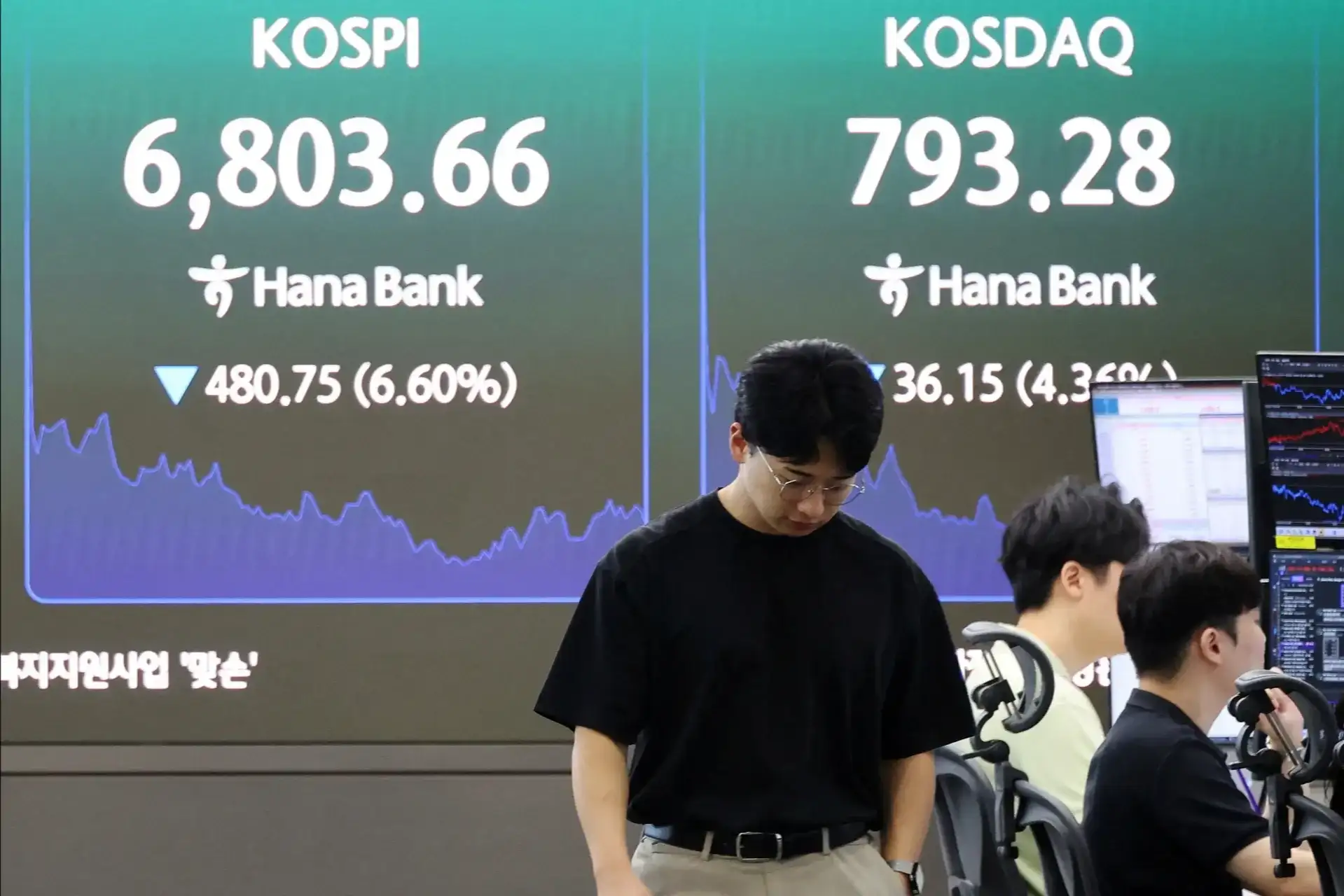
- Example: During the COVID-19 crash (March 2020), Nifty fell from 12,000 to 7,500. Many investors sold in panic, only to see the market bounce back to 18,000+ within a year.
- Greed
- Greed makes investors hold too long or chase hype stocks.
- Example: In the 2021 bull run, many retail traders entered at peak levels due to greed, only to face sharp corrections later.
- Overconfidence
- After a few wins, traders think they “cracked the market.”
- Example: New traders who doubled money in IPOs often took reckless bets later and lost heavily.
- Impatience
- Jumping into trades without waiting for proper setup.
- Example: Entering before breakout confirmation and getting trapped.
- Hope
- The most dangerous emotion. Traders refuse to exit losers, “hoping” for recovery.
- Example: Many Yes Bank investors held on, hoping it would return to ₹400. Today, it’s still struggling near ₹20.
Case Studies: Psychology in Action
📉 Case Study 1 – The 2008 Financial Crisis (Fear)
- Markets worldwide crashed 50–60%.
- Retail investors sold in panic at bottom levels.
- Smart investors like Buffett bought during fear, creating generational wealth.
Lesson: When others panic, keep calm. Fear creates opportunities.
📈 Case Study 2 – The 2021 Bull Run (Greed)
- After COVID-19 recovery, Indian markets hit all-time highs.
- Retail participation increased massively, IPOs oversubscribed like crazy.
- Greed made many buy at peak valuations (Zomato, Paytm IPOs).
- Later corrections wiped out huge capital.
Lesson: Greed blinds judgment. Don’t buy just because “everyone is making money.”
📉 Case Study 3 – IRCTC Example (Fear & Greed Combined)
- IRCTC stock rallied sharply after listing.
- Early sellers booked profits too soon (fear).
- Others held at peak levels expecting ₹10,000 (greed).
- Stock corrected heavily, leaving both groups unhappy.
Lesson: Only a disciplined plan saves you from both fear and greed.
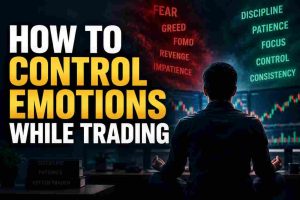
Also Read: How to Control Emotions While Trading
Why Beginners Must Learn Trading Psychology:
Most beginners jump into trading with indicators, YouTube tips, or social media hype. But very few spend time understanding mindset control.
Here’s why psychology is a must for beginners:
- ✅ Protects your capital by teaching risk control.
- ✅ Builds discipline to follow rules.
- ✅ Helps avoid impulsive trades.
- ✅ Improves long-term consistency instead of chasing jackpots.
Remember: Markets reward patience and discipline, not excitement.
Practical Tips to Build Strong Trading Psychology:
- Set Rules & Stick to Them
- Decide entry, exit, and stop-loss before entering a trade.
- Don’t change rules mid-way due to emotions.
- Keep a Trading Journal
- Write down every trade: Why you entered, why you exited.
- Review monthly → You’ll see patterns in your mistakes.
- Risk Only What You Can Afford
- Never trade with borrowed money.
- Position sizing = key to sleeping peacefully.
- Stay Patient
- Wait for quality setups. Don’t overtrade.
- Remember: “No trade is also a trade.”
- Control News & Noise
- Avoid FOMO from social media hype or “tips groups.”
- Stick to your analysis, not others’ emotions.
Behavioral Finance Connection:
Trading psychology isn’t just random advice – it’s backed by science.
Nobel Prize winners like Daniel Kahneman (Prospect Theory) showed how humans fear losses more than they value gains. This explains why investors hold losers for years but sell winners quickly.
Also Read: Why Most Traders Lose Money in the Stock Market
👉 Understanding behavioral finance gives traders a scientific edge over emotions.
Conclusion
Trading psychology is the foundation of success in stock markets. Without it, even the best strategy fails. With it, even average strategies can work consistently.
The stock market isn’t just about numbers – it’s about people’s emotions. And the one who learns to control emotions wins.
👉 This is just the beginning of our Psychology Series. Next, we’ll explore:
Fear & Greed in Stock Market – Complete Guide 🔗 (link coming soon)
Also Read: Gambler’s Fallacy in Trading – Why Traders Think Markets Must Reverse
❓ FAQ on Trading Psychology
Q1: Is trading psychology more important than technical analysis?
A: Yes. A disciplined trader with a simple strategy will outperform a technical expert who cannot control emotions.
Q2: Can I completely remove emotions from trading?
A: No. But you can control them with rules, journaling, and discipline.
Q3: What is the biggest psychological mistake beginners make?
A: Overconfidence after a few wins and holding on to losing trades due to hope.
Q4: How long does it take to build strong psychology?
A: It depends on discipline. With journaling and practice, traders see improvement within 3–6 months.
Also Read: The 1.8 Crore Solapur Trading Tragedy: A Warning to Every Retail Trader